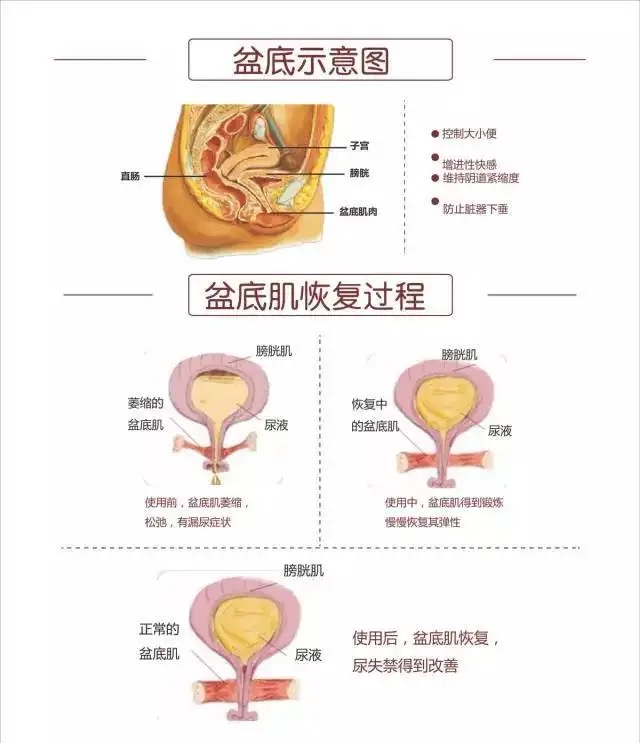
Stress And Anxiety Urinary Incontinence: Peeing When You Run, Cough, Laugh A chief manner in which anxiety incontinence is handled is through behavioral methods such as pelvic flooring muscular tissue training. Approximately 20% of individuals with anxiety urinary incontinence require surgery. Pee leakage while coughing is most often as a result of tension urinary incontinence, brought on by weak pelvic muscles or urethral sphincter troubles. Although it might feel unpleasant, this problem is both typical and extremely treatable with lifestyle changes, exercises, medical alternatives, and specialist treatment. This involves recording how much you consume, when you pass urine, the quantity of urine you create, whether you had an impulse to pee and the variety of times you accidentally leakage. Anxiety urinary incontinence is often referred to as bladder weakness or weak bladder. It's the most usual type of urinary system incontinence-- around 200 million individuals worldwide have urinary incontinence-- virtually fifty percent will have stress and anxiety incontinence.
What Creates Stress And Anxiety Urinary Incontinence?
These exercises work to enhance the muscular tissues that support the bladder, anus, and urethra, eventually bring about enhanced bladder control. Numerous men experience problems with pelvic floor muscles as they age, however with consistent workout, these muscles can end up being stronger and extra resilient. Your pelvic flooring is https://marcouplb172.meridiannest.com/posts/why-do-i-pee-at-night-nocturia-reasons-and-therapy what normally sustains the sphincter feature in your bladder.- PT generally addresses, yet is not restricted to, pelvic flooring muscular tissue training (PFMT).A pelvic flooring specialist can examine your type and aid you build a strategy that fits your signs.This section accumulates any type of data citations, data schedule statements, or supplemental materials consisted of in this write-up.Some individuals with serious anxiety incontinence have continuous pee loss (additionally known as overall incontinence).This option is commonly made use of by individuals who want a conservative treatment or who wish to delay or avoid surgery and are comfortable managing a device positioned in the vaginal canal.
Identifying Urinary System Incontinence
Third, the information of the therapy background were not taped, which made it hard to assess the impact of therapy on UI. However, taking into consideration the huge sample size in this research, our searchings for could offer a practical and referenced leading for the management of chronic coughers. Last but not least, as our sample consists of clients seeing a specialist coughing center, it could not be representative to chronic coughing people in the community. But in our research, most of the patients were presented with the typical root causes of persistent coughing, and the proportion of inexplicable cough or chronic refractory coughing was comparable as previous reports [7] And chronic constipation, the duplicated stressing included, develops the same sort of down pressure as coughing. The muscular tissues may be weak, too limited to relocate properly, or just slow to react. The pressure wins, quickly, and a small amount of pee escapes [1] Emilia Baran, MD, is a medical content reviewer and health writer with a solid background in clinical study and evidence-based medicine. She concentrates on evaluating and streamlining intricate health topics, including pelvic flooring health and wellness and bladder function, to make certain web content is exact, clear, and obtainable.Why does my pee dribble when I cough?
Urinary urinary incontinence is the loss of bladder control. Stress urinary incontinence occurs when movement or task puts pressure on the bladder, triggering urine to leakage. Activities consist of coughing, laughing, sneezing, running or hefty lifting. Stress incontinence is not connected to psychological stress and anxiety.